Waking up with a puffy face can be frustrating.
It can make you look tired, bloated, and less defined — even when you feel perfectly fine.
While occasional puffiness is normal, it’s often caused by things like diet, hydration, sleep, and even your skincare routine.
The good news is that there are simple ways to reduce facial puffiness and keep your skin looking fresh and sculpted.
First, let’s talk about why puffiness happens.
One of the most common causes is water retention.
Eating too much sodium, drinking alcohol, or not drinking enough water can cause your body to hold onto excess fluid — especially around your cheeks and eyes.
Staying hydrated helps flush out excess sodium and toxins, which can reduce swelling.
Another major cause is lack of sleep.
When you don’t get enough rest, circulation slows down and fluid can build up in your face overnight.
Sleep deprivation can also increase cortisol, which contributes to inflammation and bloating.
Aim for about 7 to 9 hours of sleep, and try sleeping with your head slightly elevated to prevent fluid from pooling in your face.
Your diet can also play a role.
Highly processed foods, refined sugars, dairy, and excessive caffeine can increase inflammation, making your face appear puffier.
Instead, focus on anti-inflammatory foods like berries, leafy greens, salmon, and walnuts to support a more balanced complexion.
Sometimes puffiness can also come from allergies or sinus congestion, which causes inflammation and fluid buildup around the eyes and nose.
And even your skincare routine matters.
Using harsh products, rubbing your face too aggressively, or sleeping with makeup on can irritate the skin and cause swelling.
So what can you do to reduce puffiness?
One of the most effective methods is lymphatic drainage massage.
This helps move excess fluid away from the face while improving circulation and defining your features.
Another simple trick is cold therapy.
Applying something cold — like a chilled facial tool or cold compress — can constrict blood vessels and quickly reduce swelling.
Regular exercise and movement also improves circulation and supports your body’s natural lymphatic drainage system.
Using hydrating skincare products with ingredients like hyaluronic acid or aloe can help soothe the skin and keep it balanced.
And finally, try to limit alcohol and excessive caffeine, since both can contribute to dehydration and fluid retention.
The bottom line is that facial puffiness is usually linked to fluid retention, sleep, diet, and inflammation.
Small daily habits — like staying hydrated, getting quality sleep, and using gentle skincare — can make a huge difference.
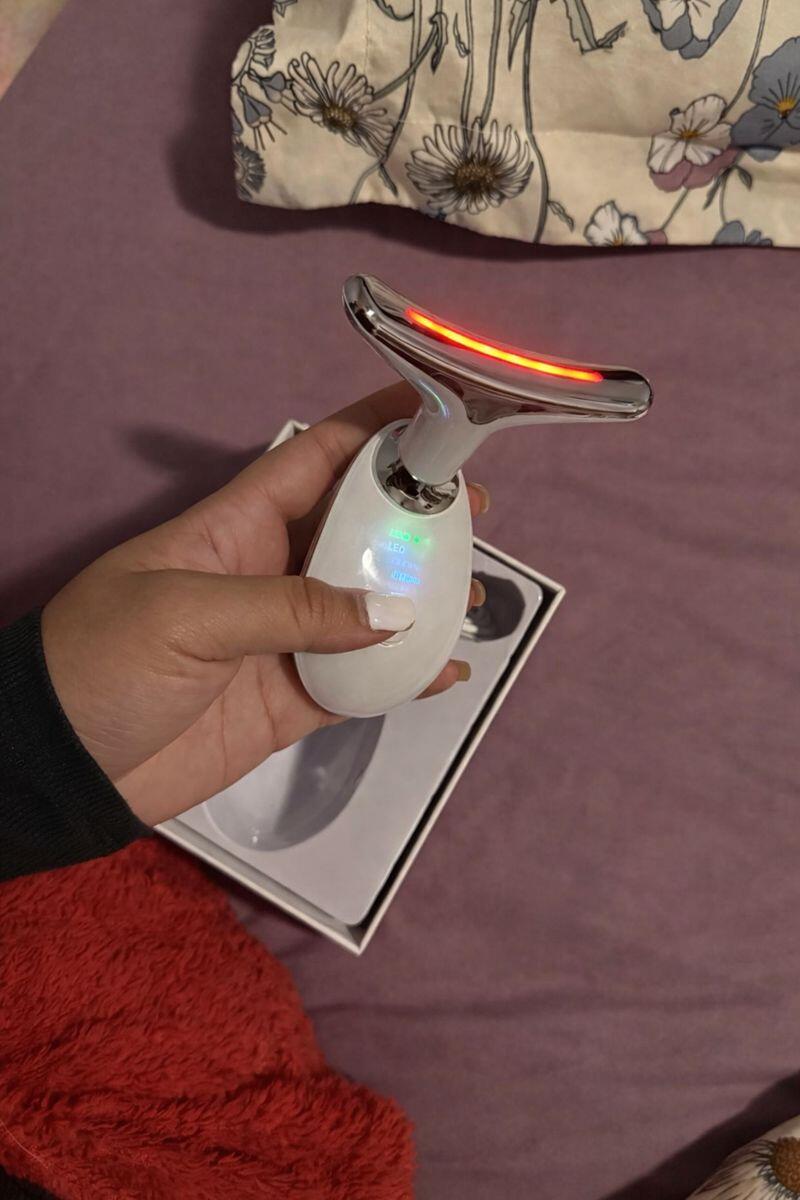
And if you want an extra boost for reducing puffiness and sculpting your facial contours, incorporating a facial sculpting tool into your routine can help enhance circulation and support lymphatic drainage for a more lifted, refreshed look.
References
The information shared in this guide is supported by insights from several trusted sources.
WebMD highlights practical home remedies for reducing facial puffiness, including simple lifestyle and dietary changes.
Vogue has also explored viral K-beauty depuffing trends and expert perspectives on reducing facial swelling.
Pulse Light Clinic discusses how facial yoga and massage techniques can help reduce puffiness while promoting firmer, healthier looking skin.
And Clarins provides guidance on facial exercises designed to tighten the skin, improve elasticity, and minimize puffiness.
These expert insights reinforce the importance of proper hydration, sleep, skincare habits, and facial massage techniques for maintaining a more sculpted, refreshed appearance.